Showing posts with label christian. Show all posts

Monday, January 11, 2016

Famous Churches in India


A religion that was established way back in the 6th century AD in India and now holds the distinctive rank of being the third largest religion after Hinduism and Islam is nothing other than Christianity. As the religion prospered over the years, many beautiful churches were built in India. These churches have magnificent architecture and breed a sense of sanctity. These places of worship are thronged by tourists and visitors all the year round.

Here is a list of some of the most popular churches in India:

1. Sé Cathedral
Place: Old Goa
History: The church was built in the 16 century. The construction of the church began in 1562 and was completed in 1619.
Legend: It was built to commensurate the victory of Portuguese under a Muslim army which eventually led to the capture of Goa city. This was in the year 1510. The victory day happened to be the day of the feast of Saint Catherine and hence the church is dedicated to Catherine of Alexandria.
Significant features: This church ranks among the largest churches in Asia. It is 250m in length and 181ft in breath and the front has a height of 115ft. The architecture style of the church is a beautiful mixture of Portuguese, Gothic, Tuscan and Corinthian. The main altar of the church has several paintings on both sides dedicated to St. Catherine.
There are four chapels inside the church around the main altar. These are separated by exquisite carved wooden partitions. The chapel on the right side of the altar is known as the Chapel of the Cross of Miracles. It is believed that Christ had appeared in 1919 in this Chapel. Sé Cathedral church is also known for housing the largest bell in Goa in its tower. The rich colour tone on the bell is noteworthy and hence it is also known as the Golden bell.


2. Parumala Church
Place: Mannar in Kerala
Legend: Named after the great Saint Gregorious Geevarghese, who was also known as Parumala Thirumeni, it is his tomb. This is a Parish church of the Malankara Orthodox Syrian Church. St. Gregorious died on 2 November, 1902 at the age of 54 and his funeral took place at Parumala. It is said that thousands of people and priests attended his funeral. In 1947, Gregorious was blessed and declared a saint by the then Catholics of the church and the church was dedicated to him.
Significant features: It is one of the oldest churches of the world. The old church was renovated and redesigned by renowned architect Charles Correa. The church, at present, can accommodate about 2000 people. The new church is circular in design with three divisions by two chords each of 16m length. The diameter of the circular design is 39m. It is believed that the church has some great powers and worshippers come from all parts of the country to pray at this divine church.
Celebrations: Every year, usually in the month of November, the church celebrates Parumala Perunnal festival or the feast festival as a tribute and remembrance of the death anniversary of Bishop Mar Gregorios Metropolitan.


3. Basilica of Bom Jesus
Place: Goa
History: Around 300 years old
Legend: It is dedicated to Jesus Christ and named “Bom Jesus” which means “good Jesus” or “infant Jesus”. It holds the remains of St. Francis Xavier and the mummified and preserved body is opened for the public at a particular time of the year when thousands of devotees from India and outside flock to this church to pay their respects to the great saint.
Significant features: Declared as a world heritage site by the UNSECO. It is one of the most iconic symbols and the most visited tourist spot of Goa. The church is built in the signature Baroque style. At the top of the façade, there are the letters ‘HIS’ which are the first three letters of Jesus in Greek. The flooring is made of marble, inlaid with precious stones. Elaborated gilded golden work highlights the altar of the church. The church also has a museum.
Celebrations: The feast of St. Xavier is celebrated every year on 3rd December in the honour of his death. Every ten years, the mortal remains are taken down for public reverence around Old Goa. This year in January 2015, thousands of Catholic pilgrims came down to old Goa to witness the once-a-decade exposition of the saint.


4. Malayatoor Church
Place: Cochin, Kerala
History: Dates back to 52 AD and is among one of the oldest churches of India.
Legend: It is dedicated to St. Thomas the Apostle who it is believed introduced Christianity in Kerala. Legend says that during prayers, St. Thomas touched a rock after which blood came out of it.
Significant features: One of the most prominent Christian pilgrimage spots declared by the Vatican. Situated on top of the 609m-high Malayatoor Hill in Kerala, it has a life-size statue of St. Thomas. There are also foot imprints of the Apostle on a rock in the church.
Celebrations: Malayatoor Perunal Festival is celebrated every year in the church in the month of March / April, just after Easter. Devotees from around the globe flock to this church by climbing up the hill, chanting the name of the Apostle.


5. Velankanni Church
Place: Located on the beach of Bay of Bengal, in the Velankanni town of Tamil Nadu.
History: Originated in the 16th century.
Legend: Famous for its Basilica that is dedicated to ‘Lady of Health’ or “Lady of Vailankanni” – the Catholic title of the Blessed Virgin Mary. It is believed that whosoever visits this church and offers prayers to the Mother is cured of his or her illness. Here, candles in different shapes of body organs like heart, lungs etc. are available, based on the ailment of a person. Lighting a candle of a particular organ shape is believed to cure the devotee of that ailment.
Significant features: One among the most scared churches across the globe. This church is a great combination of multicultural, international and religious harmony. Not only Christians but also people following other religions visit this Church to pray. The Pope in the Vatican City has declared Vailankanni as a “Holy city” because of the shrine of ‘Lady of Health’. The Gothic style architecture is a unique feature of the Church. The shrine of the mother is interestingly dressed in the Indian saree. This is one among those few churches in the country where the deity is seen wearing an India costume. Prayers here are held in multiple languages.
Celebrations: Every year in the month of August / September, for a week or so, the Feast of Our Lady of Good Health is celebrated. The feast day prayers are said in various languages like Malayalam, Telugu, Tamil, Kannada, Konkani, Hindi and English.


6. St Paul Cathedral
Place: Kolkata
History: Built between 1839 and 1847
Legend: It is an Anglican cathedral of the Victorian age and is dedicated to St. Paul.
Significant features: The largest cathedral in Kolkata and the first Episcopal Church of Asia. The church is built in the Gothic Revival Style. It is 247ft. in height and 81ft. in width. It has beautiful arched windows with stained glass which gives a very beautiful look when the rays of the sun light up the inside of the church in myriad hues.
Celebrations: The midnight mass on Christmas Eve is a celebrated event every year and people of all religions are welcome. The church is lit up completely on this day and it proves to be a very amazing sight that one should not miss out on.


7. Santa Cruz Basilica
Place: Cochin, Kerala
History: It was originally built by the Portuguese in 1505. In 1558, the church was elevated to a cathedral by the then pope, Pope Paul IV. In 1984, it was renamed as Basilica by Pope John Paul II.
Legend: Dedicated to one of the eight Baslicas in the country.
Significant features: One among the oldest churches in India. A heritage monument of the state, it boasts of style architecture. It was built by the Portuguese. But later, it was revamped and redesigned by the British. There are many paintings inside the church; the most popular ones being the seven large canvas paintings, on the passion and death on the Cross. There is also the painting of the Last Supper, modelled on the famous painting of Leonardo da Vinci. The beautiful stained glass windows add an attractive look to the place.


Latin Catholic Churches In India

Ecclesiastical Province of Agra.

Cathedral of the Immaculate Conception of the Archdiocese of Agra
Church of Akbar former cathedral of the Archdiocese of Agra
Cathedral of the Immaculate Conception of the Diocese of Ajmer
St. Joseph's Cathedral of the Diocese of Allahabad
Cathedral of St. Alphonsus de Ligouri of the Diocese of Bareilly
St. Joseph's Cathedral in Kotdwar of the Diocese of Bijnor
St. Joseph's Cathedral of the Diocese of Gorakhpur
Cathedral of Our Lady of the Annunciation of the Diocese of Jaipur
Cathedral of St. Anthony of the Diocese of Jhansi
St. Joseph's Cathedral of the Diocese of Lucknow
St. Joseph's Cathedral of the Diocese of Meerut
Our Lady of Fátima Cathedral of the Diocese of Udaipur
St. Mary's Cathedral of the Diocese of Varanasi


Ecclesiastical Province of Bangalore

St. Francis Xavier's Cathedral of the Archdiocese of Bangalore
Cathedral of Our Lady of the Family Rosary of Fátima of the Diocese of Belgaum
St. Antony's Cathedral of the Diocese of Bellary
St. Joseph's Cathedral of the Diocese of Chikmagalur
Cathedral of Mother Mary of Divine Grace of the Diocese of Gulbarga
Cathedral of the Assumption of Our Lady of the Diocese of Karwar
Our Lady of Rosary of Mangalore of the Diocese of Mangalore
St. Philomena's Church of the Diocese of Mysore
Sacred Heart Cathedral of the Diocese of Shimoga
Cathedral of Our Lady of the Miracles of the Diocese of Udupi

Ecclesiastical Province of Bhopal

St. Francis Cathedral of the Archdiocese of Bhopal
Cathedral of St. John the Baptist of the Diocese of Gwalior
St. Francis Cathedral of the Diocese of Indore
Sts. Peter and Paul Cathedral of the Diocese of Jabalpur
Cathedral of the Annunciation of the Diocese of Jhabua
St. Mary's Cathedral of the Diocese of Khandwa
St Raphael's Cathedral in Sagar Cantonment of the Diocese of Sagar
St. Vincent Syro-Malabar Catholic Cathedral of the Syro-Malabar Catholic Diocese of Satna
St. Mary's Cathedral of the Diocese of Ujjain

Ecclesiastical Province of Bombay

Cathedral of the Holy Name of the Archdiocese of Bombay
St. Thomas Syro-Malabar Cathedral of the Diocese of Kalyan
Cathedral of St. Anne of the Diocese of Nashik
St Patrick's Cathedral of the Diocese of Poona
Cathedral of Our Lady of Grace of the Diocese of Vasai


Ecclesiastical Province of Calcutta

Cathedral of the Most Holy Rosary of the Archdiocese of Calcutta
Cathedral of the Sacred Heart of the Diocese of Asansol
Cathedral of the Good Shepherd of the Diocese of Bagdogra
Cathedral of the Immaculate Heart of Mary of the Diocese of Baruipur
Immaculate Conception Cathedral of the Diocese of Darjeeling
Christ Redeemer Cathedral of the Diocese of Jalpaiguri
Cathedral of the Holy Redeemer of the Diocese of Krishnagar
St. Joseph the Worker Cathedral of the Diocese of Raiganj

Ecclesiastical Province of Cuttack-Bhubaneswar

Cathedral of the Most Holy Rosary in Cuttack of the Archdiocese of Cuttack-Bhubaneswar
Christ the King Cathedral of the Diocese of Balasore
Queen of the Missions Cathedral of the Diocese of Berhampur
Sacred Heart Cathedral of the Diocese of Rourkela
St. Joseph the Worker Cathedral of the Diocese of Sambalpur

Ecclesiastical Province of Delhi

Sacred Heart Cathedral, New Delhi of the Archdiocese of Delhi
St. Mary's Cathedral in Jammu Cantonment of the Diocese of Jammu-Srinagar
St. Mary's Cathedral of the Diocese of Jalandhar
Cathedral of St. Michael and St. Joseph in Shimla of the Diocese of Simla and Chandigarh
Christ the King Co-Cathedral in Chandigarh of the Diocese of Simla and Chandigarh

Ecclesiastical Province of Gandhinagar

St. Mary's Cathedral of the Archdiocese of Gandhinagar
Mount Carmel Cathedral of the Diocese of Ahmedabad
Our Lady of the Rosary Cathedral of the Diocese of Baroda
Prem Mandir of the Syro-Malabar Catholic Diocese of Rajkot

Ecclesiastical Province of Goa and Daman

Se Cathedral of the Archdiocese of Goa and Daman
Co-Cathedral of Our Lady of the Sea in Daman of the Archdiocese of Goa and Daman
Cathedral of Our Lady of Miracles in Sawantwadi of the Diocese of Sindhudurg

Ecclesiastical Province of Guwahati

St. Joseph's Cathedral of the Archdiocese of Guwahati
Cathedral of St. Albert of the Diocese of Bongaigaon
Cathedral of the Sacred Heart of the Diocese of Dibrugarh
Cathedral of the Risen Christ of the Diocese of Diphu
Cathedral of St. Joseph of the Diocese of Itanagar
Cathedral of Christ the Light of the Diocese of Miao
Cathedral of St. John Bosco of the Diocese of Tezpur

Ecclesiastical Province of Hyderabad

St Joseph's Cathedral, Hyderabad of the Archdiocese of Hyderabad
St. Joseph's Cathedral of the Diocese of Adilabad
St. Mary's Cathedral of the Diocese of Cuddapah
Cathedral of St. Joseph of the Diocese of Khamman
Our Lady of Lourdes Cathedral of the Diocese of Kurnool
St. Teresa's Co-Cathedral of the Diocese of Kurnool
Mary Queen of the Apostles Cathedral of the Diocese of Nalgonda
Our Lady of Fátima Cathedral in Hanamakonda of the Diocese of Warangal

Ecclesiastical Province of Imphal

St. Joseph's Cathedral of the Archdiocese of Imphal
Mary Help of Christians Cathedral of the Diocese of Kohima

Ecclesiastical Province of Madras and Mylapore

San Thome Basilica of the Archdiocese of Madras and Mylapore
St. Mary of the Angels Co-Cathedral of the Archdiocese of Madras and Mylapore
Cathedral of St. Joseph of the Diocese of Chingleput
St. Michael's Cathedral of the Diocese of Coimbatore
Sacred Heart Cathedral of the Diocese of Ootacamund
Assumption Cathedral of the Diocese of Vellore

Ecclesiastical Province of Madurai

St. Mary's Cathedral of the Archdiocese of Madurai
St. John Cathedral of the Diocese of Dindigul
St. Xavier's Church, Kottar of the Diocese of Kottar
Holy Trinity Cathedral, Thirithuvapuram of the Diocese of Kuzhithurai
St. Francis Xavier's Cathedral of the Diocese of Palayamkottai
Alangara Annai Cathedral of the Diocese of Sivagangai
Cathedral of Our Lady of Health of the Diocese of Tiruchirapalli
Sacred Heart Cathedral of the Diocese of Tuticorin

Ecclesiastical Province of Nagpur

St. Francis de Sales Cathedral of the Archdiocese of Nagpur
St. Francis Xavier's Cathedral of the Diocese of Amravati
St. Francis de Sales Cathedral of the Diocese of Aurangabad
St. Thomas Cathedral in Balharshah of the Diocese of Chanda

Ecclesiastical Province of Patna

Cathedral of the Blessed Virgin Mary of the Archdiocese of Patna
St. Joseph's Pro-Cathedral of the Archdiocese of Patna
Cathedral of the Nativity of the Blessed Virgin Mary of the Diocese of Bettiah
Immaculate Conception Cathedral of the Diocese of Bhagalpur
Cathedral of Mary Mother of Perpetual Help of the Diocese of Buxar
Cathedral of St. Francis Assisi of the Diocese of Muzaffarpur
St. Peter's Cathedral of the Diocese of Purnea

Ecclesiastical Province of Pondicherry and Cuddalore

Immaculate Conception Cathedral, Pondicherry of the Archdiocese of Pondicherry and Cuddalore
Sacred Heart Cathedral of the Diocese of Dharmapuri
St. Mary's Cathedral of the Diocese of Kumbakonam
Infant Jesus Cathedral of the Diocese of Salem
St. Mary's Co-Cathedral in Shevapet of the Diocese of Salem
Sacred Heart Cathedral of the Diocese of Tanjore

Ecclesiastical Province of Raipur

St. Joseph's Cathedral of the Archdiocese of Raipur
Cathedral of the Immaculate Mother of God of the Diocese of Ambikapur
St. Joseph's Cathedral of the Diocese of Jagdalpur
Cathedral of Our Lady of the Rosary in Kunkuri of the Diocese of Jashpur
Cathedral of St. Michael of the Diocese of Raigarh

Ecclesiastical Province of Ranchi

St. Mary's Cathedral of the Archdiocese of Ranchi
Cathedral of the Diocese of Daltonganj
Cathedral of St. Paul of the Diocese of Dumka
St. Patrick Cathedral of the Diocese of Gumla
Cathedral of the Resurrection of the Diocese of Hazaribag
St. Joseph's Cathedral of the Diocese of Jamshedpur
Cathedral of St. Michael of the Diocese of Khunti
Stella Maris Cathedral of the Diocese of Port Blair
St. Anne Cathedral of the Diocese of Simdega

Ecclesiastical Province of Shillong

Cathedral of Mary Help of Christians of the Archdiocese of Shillong
Pro-Cathedral of Shantir Rani in Mariamnagar of the Diocese of Agartala
Christ the King Cathedral of the Diocese of Aizawl
Cathedral of St. Theresa of Lisieux of the Diocese of Jowai
Cathedral of St. Peter the Apostle of the Diocese of Nongstoin
Cathedral of Mary Help of Christians of the Diocese of Tura

Ecclesiastical Province of Thiruvananthapuram

St. Joseph's Cathedral of the Archdiocese of Thiruvananthapuram
Mount Carmel Cathedral in Alappuzha of the Diocese of Alleppey
Immaculate Conception Cathedral of the Diocese of Neyyattinkara
St. Mary's Cathedral, Punalur of the Diocese of Punalur
Immaculate Conception Cathedral in Pullichira of the Diocese of Quilon
Infant Jesus Cathedral in Tangasseri Pro-Cathedral of the Diocese of Quilon

Ecclesiastical Province of Verapoly

St. Francis Assisi Cathedral in Ernakulam of the Archdiocese of Verapoly
Former Cathedral of Our Lady of Mount Carmel and St. Joseph in Varapuzha of the Archdiocese of Verapoly
Mother of God Cathedral of the Diocese of Calicut
Santa Cruz Basilica of the Diocese of Cochin
Cathedral of the Holy Trinity of the Diocese of Kannur
St. Michael's Cathedral in Kodungallur (Cranganore) of the Diocese of Kottapuram
San Sebastian Cathedral of the Diocese of Sultanpet
Immaculate Heart of Mary Cathedral in Kottayam of the Diocese of Vijayapuram

Ecclesiastical Province of Visakhapatnam

St. Peter's Cathedral of the Archdiocese of Visakhapatnam
St. Anne's Co-Cathedral of the Archdiocese of Visakhapatnam
Amalodbhavi Cathedral of the Diocese of Eluru
Infant Jesus Cathedral in Phirangipuram of the Diocese of Guntur
St. Joseph's Cathedral of the Diocese of Nellore
Cathedral of the Diocese of Srikakulam
St. Paul's Cathedral of the Diocese of Vijayawada
St. Peter's Co-Cathedral of the Diocese of Vijayawada

Cathedrals of the Roman Catholic

Roman Catholic Churches in India 
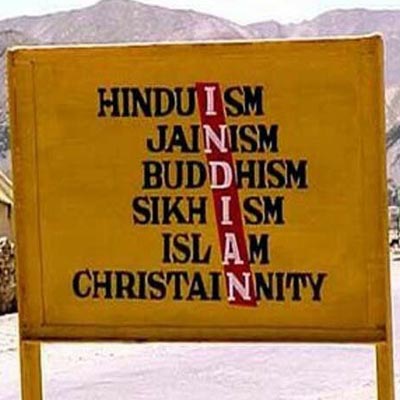
We as Indians gie respect to any religion and welcome everyone with great love and support. 


St. Catherine's Cathedral in Old Goa.

Sacred Heart Cathedral in New Delhi.

St Joseph's Cathedral in Hyderabad.

Our Lady of the Rosary Cathedral on Mangalore

St. Philomena's Cathedral in Mysore

St. Xavier's Cathedral in Kottar

Our Lady of Lourdes Cathedral in Thrissur

Immaculate Conception Cathedral in Pondicherry

St. Mary's Cathedral in Punalur

St. Michael's Cathedral in Kottapuram

Cathedral of the Immaculate Conception in Agra

Cathedral of the Sacred Heart in Asansol

Cathedral of Our Lady of the Family Rosary of Fátima in Belgaum

St. Mary's Cathedral in Varanasi

St. Francis Assisi Cathedral of Verapoly

Mary Help of Christians Cathedral in Kohima

St Mary's Metropolitan Cathedral in Changanassery

Immaculate Heart of Mary Cathedral in Kottayam

St. Patrick's Cathedral in Poona

St. Joseph's Cathedral in Jamshedpur

St. Thomas Cathedral in Irinjalakuda

St. Joseph's Cathedral in Trivandrum

St. Francis Xavier's Cathedral in Bangalore

Sacred Heart Cathedral in Shimoga

Prem Mandir, cathedral of Rajkot


Sunday, December 27, 2015

Ramayana


Ramayana was originally written by a sage Valmiki in the Sanskrit language and later on it was translated into other languages in different versions. The main story of the Ramayana is about Lord Rama. In short the Ramayana is about Rama who was born in a royal family and was supposed to be the king, but because of his step- mother, he was forced to exile from his kingdom for fourteen years. During this period his consort Sita was kidnapped by a demon called Ravan, who was the king of Lanka. Rama with the help of his brother, Lakshman, and an army of monkeys under the leadership of Hanuman, rescued Sita.


But the Ramayana isn't only about Lord Rama and his attempt to rescue his consort Sita. Ramayana is also about devotion, loyalty, family roles and respect to elders. The Ramayana does not begin with the life of Rama, but actually with the people on earth who suffer from the demon named Ravan. Ravan is a cruel king who terrorizes the people of earth, especially the religious people and prevents them from performing religious rituals. But Ravan is also a great devotee of the three Gods who rule the universe, Brahma; the creator, Vishnu; the preserver and Shiva; the destroyer and therefore has their blessings and assurance that they as Gods will not hurt him. But the people of the earth, who suffer from Ravan, go up to heaven to visit the Gods and ask for their help. The Gods decide that Lord Vishnu will incarnate as a human being on earth and destroy Ravan. They find out that king of Kosala named Dasrath who has three wives is childless and longing for heir. So Lord Vishnu incarnates as his older son.

The king's first wife Kausalya gives birth to Rama. His second wife gives birth to Lakshman and Shatrugan and his third wife Kaykeyi gives birth to Bharat. The four brothers are sent for education in an ashram. They four brothers were very close to each other even though they were stepbrothers. They return to their kingdom after completing education.

Rama gets married to Sita. Sita is an adopted daughter of another king. In order to win her hand, the contestant had to bend a bow, which belonged to Lord Shiva. Many could not even lift this bow. When Rama arrived he did not only bend this bow but also broke it and so got Sita's hand.

King Dasrath intended to inherit his kingdom to his eldest son, Rama. But Bharat's nanny gets jealous and goes to Bharat's mother and begins to incite her about what might happen of her if Rama becomes the king. Incited, Bharat's mother goes to the king and demands from him the two boons he had promised her sometime earlier in life. She demands to send Rama to exile in the forest for fourteen years and make her son Bharat the heir of the kingdom. King Dasrath who is in great dilemma and pain, eventually bows to her demands.

Rama accepts his father's decision without any argument, but the other brothers including Bharat get furious. Lakshman decides to join his brother in exile and so giving an example of brotherly loyalty. Bharat inherits the throne but after his father's death goes to Rama and tries to convince him to return. Bharat tell Rama that because he is the eldest son of the king he is the rightful heir of the throne but Rama refuses and claims that father boons should be respected. Bharat agrees to remain the ruler of the kingdom until Rama's return from exile and as a symbol to prove that the throne belongs to Rama he takes Rama's slippers and puts them on the throne.

The forest in which Rama arrived with his wife Sita and his brother was full of demons. A female demon, Surpanakha fall in love with Rama and she tries to seduce him. Rama being a loyal husband refuses to her flirts, so she tries to kill Sita. At this point Lakshman takes his sword and cuts the demon's nose. She goes to her brother, Ravan, and tells him of the disgrace that happened to her. Ravan decides to avenge this humiliation by kidnapping Rama's wife Sita. He even notices that she is very beautiful and desires her.

Ravan plans ways to far away Rama and Lakshman from Sita so that he can kidnap her. One day Sita sees a very beautiful deer and desires it. She urges Rama to get it so Rama goes deep into the forest to get it. As time passes and Rama does not return, Sita starts to get worried. After some time she hears a cry which she thinks is Rama's cry so she begs Lakshman to find Rama. Lakshman aware of the fact that something bad might happen to Sita, refuses to leave Sita alone. But Sita compels Lakshman to find Rama. Lakshman agrees but draws a line in front of their hut and begs his sister- in- law not to pass this line because it might be dangerous and sets off to search Rama.

When it is quiet dark a sage comes to the hut begging for food. Sita hears the begging of the sage and brings some food for the sage and so passes the line Lakshman had marked. When she gets closer to the sage she finds out that the sage is actually Ravan in disguise. Ravan kidnaps Sita and takes her to his kingdom Lanka. And so this basic plot of the Gods to have Rama to fight with Ravan takes place. On his way to Lanka, Sita struggles with him a lot, A vulture, who resides near Rama's hut, hears her cries and fights with Ravan. Ravan injures that vulture seriously. When Rama and Lakshman return, the vulture who is dying tells them that Ravan kidnapped Sita. Rama and Lakshman decide to find out Sita.

Rama and Lakshman need an army to find and fight Ravan and they get this help from the monkeys. The king of monkeys who was exiled by his brother gets Rama's help to fight and slain his brother. After regaining his throne the monkey king assigns one of his commanders, Hanuman to serve Rama in his assignment to find Sita. After some time the monkeys come across another vulture who tells them that Ravan has kidnapped Sita and taken her to his island kingdom, Lanka.

Hanuman who is capable of flying gets to Lanka after fighting some dangers in the way. He finds Sita in the garden guarded by female demons, in a depressed mood. He proves to her that he is Rama's messenger and offers to carry her back. But to vindicate her honor she prefers that Rama himself should rescue her. Hanuman promises that Rama will come and rescue her.

Hanuman decides to check the capability of Ravan's security forces. He begins to destroy the garden, provoking the security guard and hurting them. Eventually he is captured and brought to Ravan. Hanuman tells Ravan that he is Rama's messenger and demands from him to free Sita or else he will die. Ravan gets furious and at first intended to kill Hanuman, but because Hanuman is a messenger he decides only to punish him by burning his tail. Hanuman flies back to Rama not before setting fire to Ravan's city with his burning tail and extinguishes his tail in the sea.

After Hanuman's return, Rama plans his way to reach Ravan's island. Rama and his advisers plan a land bridge to Lanka. The monkeys bring tree and rocks from the forests and build the land bridge to Lanka. After arriving in Lanka they send a peaceful messenger to Ravan, but Ravan refuses. So a war begins in which both sides lose many forces. Even Rama and Lakshman get hurt. The monkeys also began to get weak because Ravan's forces use biological weapons, which weaken their senses. So a medical expert in Rama's forces claims that to neutralize this a special herb is required which exists in a far away mountain, named Mahodaya.

Hanuman flies to that mountain and finds out that the mountain is full of different herbs, so he brings the whole mountain to Lanka. Slowly the forces get back to their senses.

Eventually after many battles Ravan faces Rama and after two continuos days of battles Rama kills Ravan and visits Sita. But the Ramayana does not end here. The fact that Sita lived in another man's palace causes some rumors about her chastity. She is obliged to take a fire test in which she sits in a fire but comes out unharmed and therefore is purified from charges.

In the original version of the Ramayana, after Rama and Sita return to Ayodhya, the capital of Kosala the rumors about Sita's adultery in Ravan's captivity continue and therefore the people disrespect her. So Rama, who is now the king, decides to banish Sita from his kingdom. In the forests she meets a sage named Valmiki, who later on wrote the Ramayana. In Valmiki's ashram Sita gives birth to two twins of Rama, Lav and Kush. These two children learn from Valmiki to sing the Ramayana as a poem and they go everywhere and start telling everyone the Ramayana, meaning Rama's story. They even arrive into Rama's court and tell him his story and so Rama recognizes his sons. He brings back his wife Sita who decides to prove her loyalty to Rama by asking Mother Earth to swallow her if she was loyal to Rama and so Mother Earth to testify her loyalty, opens up and swallows her and Sita disappears into earth. Later on Rama himself jumped in the river to end his life, followed by many.

Religions in India

Religion in India is characterized by a diversity of religious beliefs and practices. The Indian subcontinent is the birthplace of some of the world's major religions; namely Islam, Hinduism, Buddhism, Jainism and Sikhism.


India known as the land of spirituality and philosophy, was the birthplace of some religions, which even exist today in the world.

The most dominant religion in India today is Hinduism. About 80% of Indians are Hindus. Hinduism is a colorful religion with a vast gallery of Gods and Goddesses. Hinduism is one of the ancient religions in the world. It is supposed to have developed about 5000 years ago. Later on in ancient period other religions developed in India.

Around 500 BC two other religions developed in India, namely, Buddhism and Jainism. Today only about 0.5% of Indians are Jains and about 0.7% are Buddhist. In ancient times Jainism and specially Buddhism were very popular in India. Indians who accepted Buddhist philosophy spread it not only within the Indian sub-continent but also to kingdoms east and south of India.

These three ancient religions, Hinduism, Buddhism and Jainism, are seen as the molders of the India philosophy. In 'modern' period new religions were also established in India.

One comparatively new religion in India is Sikhism and it was established in the 15th century. About 2% of Indians are Sikhs. There were other attempts to create new religions in India but they did not always succeed. For example, a Moghul emperor, Akbar, who reigned between 1556 - 1605, tried to establish a new religion, Din- E- Elahi, but it did not survive. There are other religious philosophies whose believers see themselves as a separate religion, but they do not always get this recognition. For example Lingayat of south India see themselves as a different religion, while others see them as a sect of Hinduism. There are also some tribal communities who demand to be recognized as separate religion from Hinduism. In the 19th century some Hindu reformers tried to remodel Hinduism to adjust it to modern period.

Along with the religions that developed in India, there are followers of non- Indian religions. The largest non-Indian religion is Islam. They are about 12% of India's population. Christians are more then 2% of India's population. There are also Zoroastrians who even though make less then 0.01% of India's population, are known around India. There are also a few thousand Jews in India. Judaism and Christianity might have arrived in India before they arrived in Europe.

HINDUISM - about 82%

ISLAM - about 12%

CHRISTIANITY - about 2.5%

SIKHISM - about 2%

BUDDHISM - about 0.7%

JAINISM - about 0.5%

ZOROASTRIANISM - about 0.01%

JUDAISM - about 0.0005%